
NANJING, China — October 28, 2026
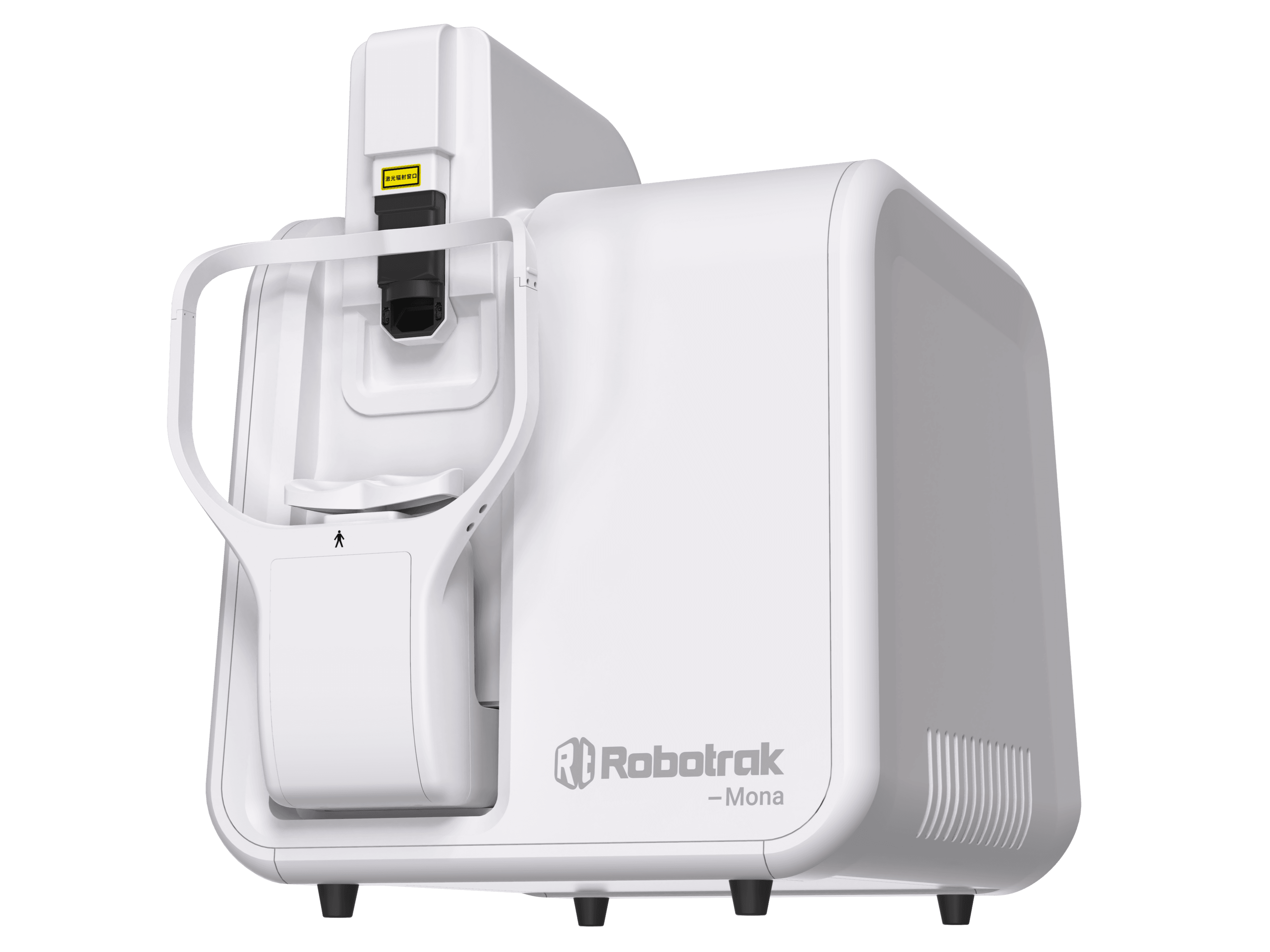
Robotrak Technologies Co., Ltd. (Robotrak), an innovator in advanced ophthalmic imaging and laser technologies, today announced that its Mona IV Adaptive Optics Scanning Laser Ophthalmoscope (AO-SLO) has received 510(k) clearance from the U.S. Food and Drug Administration (FDA).
Mona IV is believed to be the world’s first commercially available AO-SLO system to receive U.S. FDA clearance, marking a significant regulatory and commercialization milestone for adaptive optics retinal imaging.
Advancing Cellular-Resolution Retinal Imaging
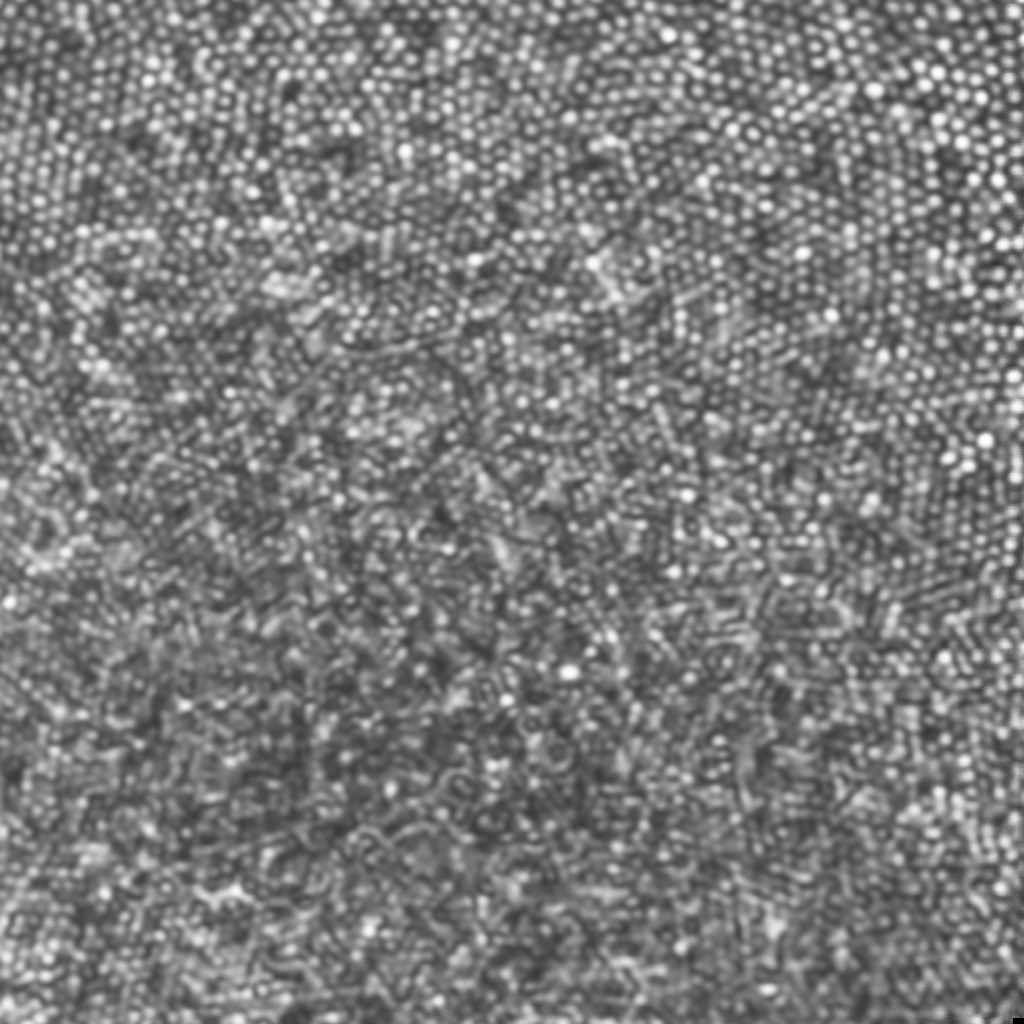
Adaptive optics (AO) technology corrects optical aberrations of the human eye, enabling visualization of microscopic retinal structures at a level of detail that conventional ophthalmic imaging systems cannot routinely achieve.
Mona IV integrates adaptive optics with scanning laser ophthalmoscopy to provide high-resolution, non-invasive imaging of the living human retina. The system enables visualization of individual photoreceptors and retinal microvascular structures, supporting research into retinal anatomy, disease mechanisms, and microscopic structural changes.
Designed with an emphasis on imaging performance, stability, reproducibility, and usability, Mona IV represents Robotrak’s ongoing effort to make advanced adaptive optics imaging more practical and accessible to ophthalmic researchers, clinicians, and medical institutions worldwide.
Three Decades of Innovation:
From Laboratory Research to Commercial Technology
The foundations of adaptive optics retinal imaging were established approximately three decades ago through pioneering research by Professor David R. Williams and colleagues at the University of Rochester.
Since then, adaptive optics has advanced significantly, enabling researchers to visualize cellular and subcellular structures in the living retina. However, widespread adoption has remained challenging because of the complexity and highly specialized nature of traditional AO systems.
Robotrak has focused on addressing these challenges through engineering innovation, system integration, and product standardization, transforming adaptive optics from a highly customized laboratory technology into a practical commercial imaging platform.
The FDA clearance of Mona IV represents an important step in this long-term technological evolution.
An Important Milestone for Robotrak and the AO Community
“This is a very special milestone for Robotrak and for the adaptive optics community,” said Dr. Jie Zhang, Founder, Chairman, and CEO of Robotrak Technologies.
“Having worked on adaptive optics retinal imaging at the University of Rochester under Professor David R. Williams, I have witnessed the remarkable evolution of this technology over the past three decades. Our goal has always been to make adaptive optics more practical, reliable, and accessible. Receiving FDA clearance for Mona IV is an important step toward that vision.”
Dr. Zhang added: “We believe that cellular-resolution retinal imaging has the potential to become an increasingly important tool in ophthalmic research and future clinical applications, just as optical coherence tomography (OCT) transformed retinal imaging over the past three decades.”
Expanding Access to Advanced Retinal Imaging
With collaborations and installations at leading ophthalmic research institutions in the United States and internationally, Robotrak continues to support the advancement of adaptive optics imaging in vision science and translational research.
The FDA clearance of Mona IV provides an important regulatory foundation for the company’s continued expansion in the U.S. market, supporting broader adoption of the technology within its cleared indications for use.
Robotrak is also advancing its next-generation adaptive optics imaging technologies, including multimodal platforms integrating adaptive optics scanning laser ophthalmoscopy (AO-SLO), adaptive optics optical coherence tomography (AO-OCT), and additional imaging capabilities.
Through continued innovation and collaboration with leading research institutions, clinicians, and industry partners, Robotrak aims to accelerate the translation of advanced retinal imaging technologies into practical applications.
About Robotrak Technologies
Robotrak Technologies Co., Ltd. is a medical technology company focused on advancing ophthalmic imaging, precision retinal laser treatment, and innovative contact lens technologies.
Its product portfolio includes Mona adaptive optics retinal imaging systems for human applications, Charis adaptive optics imaging platforms for preclinical research, and Aglaia navigated retinal laser systems.
Robotrak is committed to developing innovative, practical, and accessible technologies that advance vision science and eye care worldwide.
Mona — Making Adaptive Optics Accessible.
Media Contact
Robotrak Technologies Co., Ltd.
Website: www.robotrak.cn
Mona IV has received U.S. FDA 510(k) clearance (K261740). The clearance applies to the device and indications for use specified in the FDA decision. Other technologies and products mentioned are not necessarily covered by this clearance.